Tadworth KT20 rubbish recycling points and drop times
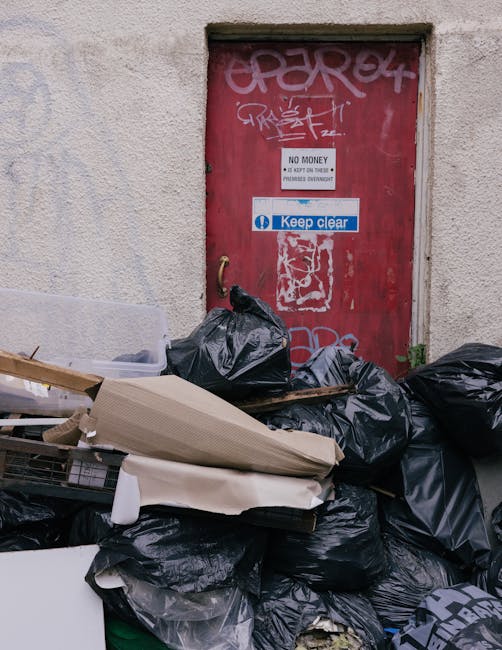
If you live, work, or manage property in Tadworth KT20, rubbish recycling points and drop times can make the difference between a tidy clear-out and a frustrating wasted journey. One minute you're loading the car with cardboard, tins, garden cuttings, or an old chair; the next, you're staring at a closed gate or a missed slot. Annoying? Absolutely. Avoidable? Usually, yes.
This guide explains how Tadworth KT20 rubbish recycling points and drop times typically work, what to check before you go, how to sort materials properly, and when a professional clearance service may actually be the easier route. It is written for everyday use, not just for the organised few who somehow always have labelled tubs in the boot. Lucky them.
Whether you are trying to dispose of a few bulky items, plan a house clearance, or simply make sure waste goes to the right place at the right time, this article gives you a clear, practical framework you can use straight away.
Why Tadworth KT20 rubbish recycling points and drop times matters
Recycling points are only useful if you can actually use them. That sounds obvious, but in real life the details matter: opening hours, access rules, whether you need proof of address, what type of waste is accepted, and whether certain materials need to be separated before arrival. Drop times, in particular, can decide whether your trip is smooth or stressful.
In Tadworth KT20, many people are juggling busy schedules, school runs, commutes, and weekend chores. So if you arrive outside permitted hours, or with the wrong sort of waste mixed together, the whole plan can fall apart. And when you have a boot full of soggy cardboard and a broken radiator in the rain, you quickly realise time was the real cost all along.
There is also the practical side. Correct recycling reduces contamination, keeps reusable material out of general waste streams, and supports cleaner local disposal habits. For households, landlords, tradespeople, and small businesses alike, knowing the right drop time helps avoid unnecessary trips and reduces the chance of having waste refused on arrival.
Key takeaway: the best rubbish drop-off plan is not just about where to go; it is about timing, sorting, safety, and knowing which waste type belongs where.
If you are planning a larger clear-out, it can also help to compare recycling-point use with broader removal options such as waste removal or even a more tailored service like house clearance. Sometimes the simplest route is the one that avoids two car journeys and a lot of lifting.
How Tadworth KT20 rubbish recycling points and drop times works
At a practical level, using a recycling point means preparing your waste, checking the site rules, and arriving within the correct drop window. Most of the friction comes from people assuming all sites work the same way. They do not. One site may have narrow vehicle access, another may restrict certain commercial materials, and another may be more flexible for segregated household waste.
Drop times matter because they affect staffing, traffic flow, noise control, and safety. Early morning drops may suit some people, while others need a late-afternoon slot after work. The right time depends on the location, the load you're carrying, and how busy the site is likely to be. To be fair, the difference between a calm ten-minute unload and a queue that snakes into the road can be huge.
In most cases, the process follows the same broad pattern:
- You sort the waste into the right categories before leaving home or site.
- You check the location's opening hours or drop times and any access conditions.
- You load the vehicle safely, making sure nothing can blow out or spill.
- You arrive within the accepted drop window and follow staff instructions.
- You place the material in the correct container or designated area.
That sounds straightforward, and sometimes it is. But the small details matter. A load of mixed waste that includes metal, timber, green waste, and broken household items may need different handling. If you are unsure whether something can go in a skip or whether it should be separated first, it is worth reading the guidance on what can go in a skip before you make the trip.
For items that are bulky, awkward, or likely to be rejected at a recycling point, disposal services can be a cleaner option. For example, white goods often need specialised handling, which is why people frequently look at fridge and appliance removal rather than trying to fit everything into a standard drop-off plan.
Key benefits and practical advantages
The main benefit is simple: you save time when you know the rules in advance. But there are several other advantages that are easy to overlook.
- Less wasted travel: you avoid arriving at the wrong time or with the wrong material.
- Cleaner sorting: separating waste properly makes unloading faster and less stressful.
- Lower contamination risk: mixed or dirty loads are more likely to be declined.
- Safer handling: fewer loose items in the vehicle means less shifting and fewer accidents.
- Better planning: if you know the drop times, you can combine the trip with errands or a site visit.
There is another advantage that people often forget: decision clarity. Once you know whether the load is suitable for a recycling point, a booked removal, or a dedicated specialist service, everything becomes easier to organise. That matters especially if you are coordinating several rooms, a garden clean-up, or a move between properties.
For furniture-heavy clear-outs, it is worth looking at furniture disposal or furniture clearance. For mixed domestic jobs, home clearance and loft clearance can save a lot of effort when your stairs are already groaning under the weight of old boxes.
Who this is for and when it makes sense
This topic is relevant to more people than you might think. It is not just for households with a van and a Saturday to spare. In Tadworth KT20, rubbish recycling points and drop times are especially useful for:
- Homeowners clearing out garages, sheds, lofts, or spare rooms
- Renters moving out and needing a tidy final clear-up
- Landlords preparing a property for re-let
- Local businesses disposing of non-sensitive office waste
- Tradespeople handling builders' offcuts or packaging
- Gardeners and DIYers with mixed green waste and light rubble
- Families doing seasonal decluttering, especially before weekends away or school holidays
It makes sense when the load is manageable, properly sorted, and suitable for the accepted waste type. It is less suitable when the waste is mixed, heavy, messy, confidential, or time-sensitive. That is where alternatives become more sensible. A business, for example, may prefer business waste removal rather than making staff spend half a day shuttling bags back and forth. Same goes for offices that need a more structured approach through office clearance.
Truth be told, if your waste is likely to need a second attempt because it is awkward, heavy, or mixed, a drop-off point can end up costing more in time than a booked collection. That is not a failure. It is just maths.
Step-by-step guidance
If you want a smoother experience, follow a simple process rather than improvising on the day. A little prep goes a long way.
1. Identify the waste type
Start by separating household rubbish, recyclables, green waste, bulky items, and anything that may need special handling. This helps you decide whether a recycling point is appropriate at all. If you have any doubt about specialist items, have a look at the site-specific pages for hazardous waste disposal or confidential shredding. Those jobs deserve more than guesswork.
2. Check the drop time before you load the car
Do not leave timing until the last minute. Check the opening window, allow for traffic, and add a bit of buffer. In real life, a five-minute delay can become twenty once you hit a queue or a school run. The earlier you check, the less likely you are to get caught out.
3. Prepare the load properly
Bag loose waste, flatten cardboard, drain excess liquid where safe, and secure anything that might slide around. A rattling boot full of broken shelving and loose plastic bags is nobody's idea of fun. Keep sharp edges covered and heavy items low down.
4. Separate what must stay separate
Metals, green waste, appliances, furniture, and builders' debris often need different handling. If you are disposing of waste from renovation work, it may be more efficient to arrange builders' waste clearance instead of trying to manage repeated recycling-point trips.
5. Arrive on time and unload carefully
Once you are there, follow staff directions, keep to safe walking routes, and unload in the correct area. If the site team asks you to separate material further, take that seriously. They are trying to keep the process safe and compliant, not make life awkward.
6. Keep a note of what worked
After your first visit, make a quick mental note: what time was easiest, what was refused, and what took longer than expected. Next time will be easier. Small improvement, big difference.
Expert tips for better results
Here's the honest bit: most recycling-point problems are preventable. A bit of local habit-building goes a long way.
- Go earlier than you think: the later the day, the more likely queues and congestion become.
- Use clear bags where suitable: it helps you and any site staff see what is inside.
- Keep a "drop-off box" at home: one box for metal, one for cardboard, one for small electricals. Very unglamorous, very useful.
- Take photos of awkward items: useful if you need to ask for advice before you travel.
- Don't overload the vehicle: an unstable load creates delay and risk.
- Plan around weather: wet cardboard, muddy garden waste, and rain-soaked fabric are more awkward to handle and may be refused in some contexts.
If the waste is soft furnishings, damaged seating, or mattresses, it is often cleaner to use dedicated disposal support such as mattress and sofa disposal. That avoids the classic "how on earth do we fit this in the hatchback?" moment. Answer: we don't. We really don't.
And if the job involves mixed household clearance rather than a few tidy bags, the better choice may be a full or partial property service such as flat clearance or garage clearance. That can be especially helpful when the waste is coming from several different rooms.
Common mistakes to avoid
People usually do not fail because they are careless. They fail because they assume the system is simpler than it is. A few common errors keep cropping up.
- Arriving without checking drop times: the most frustrating mistake, and the most avoidable.
- Mixing incompatible materials: one mixed bag can complicate the whole load.
- Assuming all bulky items are accepted: many sites have specific rules for furniture, appliances, and hazardous items.
- Ignoring weight and safety limits: overloading a car is bad news for handling and braking.
- Leaving liquids in containers: spills create hygiene and sorting problems.
- Not checking business versus household rules: some drop-off arrangements are not suitable for commercial waste.
One more thing: do not leave it all to the morning of the trip. I know, I know, that sounds obvious. Yet that is exactly when the old cable tangle, the cracked lamp base, and the mysterious bag from the shed all appear at once.
If your job looks likely to become a bigger project, it may be more practical to use a structured service such as waste removal or even a fuller property clean-out through house clearance. That is often the difference between a one-hour tidy-up and a whole-day ordeal.
Tools, resources and recommendations
You do not need fancy kit to use recycling points well, but a few simple tools make life easier.
- Sturdy gloves: helpful for sharp edges, dusty surfaces, and damp waste.
- Reusable crates or boxes: better than flimsier bags for books, mixed bits of metal, and small offcuts.
- Marker pen and labels: useful if you are sorting waste over more than one day.
- A tarpaulin or old sheet: keeps the car boot cleaner and makes unloading easier.
- A quick checklist on your phone: sounds mundane, saves time.
For people who want a more sustainability-led approach, the page on recycling and sustainability is a sensible next step. It helps frame disposal not just as getting rid of waste, but as choosing the route that keeps more material in circulation where possible.
For some jobs, the best recommendation is not a recycling point at all. If you are stripping out an attic, old furniture, or a cluttered storage space, pairing a well-planned clear-out with the right service is often the simplest route. There's no prize for doing the hard thing the hard way.
Law, compliance, standards, and best practice
Waste disposal in the UK sits inside a wider framework of environmental responsibility, site rules, and duty of care. You do not need to become a legal specialist to use a rubbish recycling point, but you should understand the basics.
In practical terms, the person producing the waste remains responsible for making sure it is taken to an appropriate place and handled correctly. That means checking accepted materials, avoiding contamination, and not passing off commercial or restricted waste as something else. If in doubt, treat caution as the safer choice.
Best practice also means following site instructions, keeping loads secure, and not bringing anything that could contaminate other recyclables. For businesses, this is even more important. Staff should know whether waste is being handled as general office rubbish, secure paper waste, appliance waste, or something more specialised. Pages such as business waste removal and office clearance can help align the practical side with the compliance side.
Safety matters too. Heavy lifting, sharp materials, and awkward furniture can all create avoidable risk. If you are coordinating a larger clear-out, it is worth reviewing health and safety policy information, especially where staff, contractors, or tenants are involved. For peace of mind around handling and transport, insurance and safety guidance is also worth reading.
For some items, compliance means not improvising. Refrigerators, freezers, and other electrical units can require separate treatment, while questionable materials may fall under hazardous waste handling. In those cases, the safest approach is to slow down and use the right route rather than rush.
Options, methods, or comparison table
Choosing between a recycling point, a direct clearance service, or a skip depends on what you are throwing away, how much of it there is, and how much time you have. This quick comparison may help.
| Option | Best for | Strengths | Watch-outs |
|---|---|---|---|
| Recycling point drop-off | Small to moderate loads, sorted waste, flexible DIY trips | Good for targeted disposal, straightforward for routine materials | Timing restrictions, queues, and site-specific rules |
| Skip hire | Ongoing DIY, building work, and repeated waste generation | Convenient for site-based loading and mixed dry waste | Space required, permit needs may apply, and not everything is allowed |
| Booked waste removal | Bulky, heavy, or time-sensitive clear-outs | Less lifting, fast turnaround, often easier for households and businesses | Can be more structured, so planning is needed |
For readers weighing up a skip against a collection, the page on what can go in a skip is useful because it clears up one of the biggest sources of confusion: what is allowed, what is not, and what should be separated first.
In many real-world cases, the best option is not the cheapest on paper but the one that gets the job done cleanly. Especially if you are short on time. Especially if the weather is grim. Especially if the stairwell is narrow and the sofa is a beast.
Case study or real-world example
Here is a realistic example. A Tadworth homeowner plans a weekend clear-out after years of storing broken children's toys, flattened boxes, an old microwave, and garden debris from a recent tidy-up. They intend to use a local recycling point, but there is one complication: the waste is mixed, the microwave may need separate treatment, and the cardboard is damp from a wet Thursday evening.
Instead of loading everything in one go, they sort the waste into three groups: dry cardboard and paper, garden waste, and bulky mixed items. They check the drop time before setting off, which avoids a wasted trip. The smaller recyclables go through the drop-off route, while the awkward items are assessed separately. The broken appliance is dealt with through a more suitable removal option.
The result? Fewer delays, less unloading stress, and no last-minute argument with a pile of soggy packaging. Not glamorous, but effective. And that is usually the whole point.
In a business setting, the same logic applies. A small office moving out of a shared space may use a controlled service rather than asking staff to haul mixed waste through reception. That is why pages like office clearance and confidential shredding often matter more than people expect at first glance.
Practical checklist
Use this checklist before any visit to a Tadworth KT20 recycling point.
- Check the drop time and opening window.
- Confirm the waste type is accepted.
- Separate recyclables, general rubbish, and bulky items.
- Remove liquids, food waste, and loose debris where possible.
- Bag or box loose material securely.
- Protect sharp edges and breakable items.
- Keep the load stable in transit.
- Allow extra travel time for traffic or queues.
- Bring any required proof or information if the site asks for it.
- Have a backup plan if the load is refused.
If your checklist keeps expanding, that is often a sign you may need a more complete disposal route. For awkward household contents, a service such as furniture clearance, garage clearance, or home clearance can reduce the admin to something manageable.
Conclusion
Tadworth KT20 rubbish recycling points and drop times are not just a logistical detail. They shape how quickly you can clear clutter, how safely waste is handled, and whether your trip ends in success or a mild domestic rant on the drive home. If you check timings, sort properly, and choose the right disposal route for the material you have, the whole process becomes much easier.
For small, sorted loads, a recycling point can be a straightforward win. For bulky, mixed, or specialist waste, a more tailored service may save time, reduce stress, and avoid repeat trips. The smartest choice is usually the one that fits the job, not the one that sounds simplest before you start.
Get a free quote today and see how much you can save.
And if you are still deciding, that is fine too. A little planning now tends to make the whole week feel lighter.
Frequently Asked Questions
What are Tadworth KT20 rubbish recycling points used for?
They are used for dropping off recyclable or disposable waste in a controlled way, usually after you have sorted the material and checked the site rules. They are especially useful for smaller loads and tidy clear-outs.
How do I find the right drop times?
Check the site's current opening window before you travel, then allow for traffic and unloading time. Drop times can change, so it is better to confirm them on the day rather than rely on memory.
Can I take mixed rubbish to a recycling point?
Sometimes, but mixed waste is more likely to be refused or need separation. If your load contains different materials, sort it first or consider a dedicated waste removal service instead.
What should I do with old furniture in Tadworth KT20?
Small pieces may be accepted depending on the site, but larger items are often easier to handle through furniture disposal or furniture clearance. That avoids awkward lifting and rejection at the gate.
Are fridge freezers and other appliances accepted everywhere?
No, not always. Appliances can need separate handling, especially if they contain refrigerants or electrical components. It is safer to use a specialist route such as fridge and appliance removal.
Is it better to use a skip or a recycling point?
It depends on the waste and the scale of the job. A recycling point suits smaller, sorted loads. A skip or booked collection suits bigger, ongoing, or messier jobs. If you are unsure, compare the load against the guidance on what can go in a skip.
What happens if I arrive outside the drop time?
You may be turned away or asked to return later. That is why it is worth checking the timing carefully and allowing extra travel time, especially during busy periods.
Do businesses follow the same rubbish rules as households?
Not always. Businesses often need a more structured approach to waste handling and may have different expectations for commercial waste streams. Pages like business waste removal are designed for those needs.
Can garden waste go with general rubbish?
It depends on the site, but garden waste is usually better separated. For larger outdoor clear-ups, garden clearance is often more efficient than trying to mix it all together.
What if I have confidential papers or sensitive files?
Do not just throw them in with general waste. Use a proper secure route such as confidential shredding so the material is handled appropriately.
How can I avoid making two trips?
Sort the waste carefully before leaving, check the accepted materials, and choose the right service for bulky or awkward items. A good plan beats a second run most days, honestly.
Where can I get help if my clear-out is larger than expected?
If the job has grown arms and legs, consider broader services such as waste removal, house clearance, or office clearance. You can also learn more about the company on the about us page or review the booking details on book online.
What should I do if I am unsure about safety or access?
Pause and check the guidance before moving heavy items or visiting a site. It is sensible to review health and safety policy information and, where relevant, insurance and safety details before proceeding.