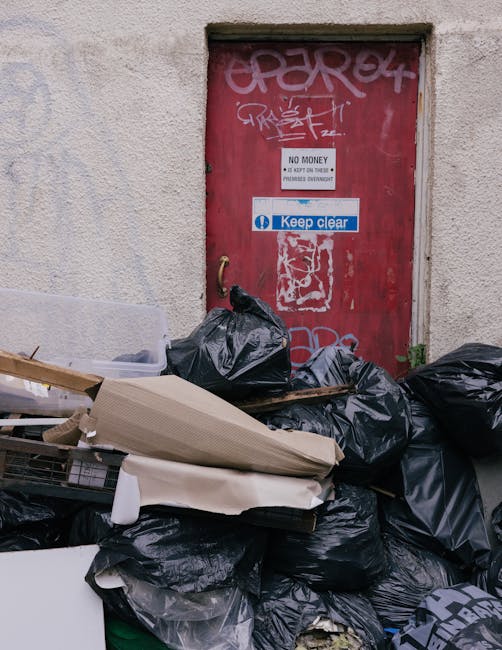
Commercial Waste in Tadworth for local businesses and organisations

Commercial Waste Tadworth services help offices, shops, workshops, landlords and other organisations keep unwanted materials moving out of the way and into the right disposal route. The work can cover regular business waste removal, one-off clearances and the separation of recyclable material from general rubbish, with the aim of keeping premises usable and collections straightforward. For many premises, the key is having a dependable routine that suits opening hours, storage space and the kind of waste produced.
Our service is built around the practical side of commercial waste management rather than a one-size-fits-all approach. That means looking at what your site actually produces, whether that is packaging, office clutter, shelving, old fittings, light equipment or mixed non-hazardous waste, and choosing the most suitable collection method. If you already know what needs moving, you can request a quotation with a clear description of the load; if not, a simple outline of the premises and waste type is usually enough to start.
Use the pages below to explore the main service areas, compare related disposal options and decide which route best fits your property. If you are ready to move ahead, the quickest next step is to ask for a quotation in plain terms: what needs clearing, how much there is and when access is available.
Business waste removal and routine collection choices
Business waste removal is usually the starting point for organisations that want a clear, lawful way to deal with everyday commercial rubbish. That can include office bag waste, mixed dry waste, cardboard, packaging and other non-hazardous material produced through normal trading. The main decisions are how often waste builds up, whether it can be segregated in advance and whether the site needs a scheduled arrangement or a one-off uplift. For some premises, consistency matters more than volume, especially where storage is tight.
For businesses that produce similar waste week after week, the most efficient arrangement is often one that matches the source of the material rather than simply clearing everything together. Separating recyclables can reduce contamination and make the load easier to handle. If you are comparing options, the general business waste removal page is a useful place to start because it sits closest to the routine collection side of the service and helps you think through what is being taken, how it is loaded and what can be separated before uplift.
What commercial waste collections can include
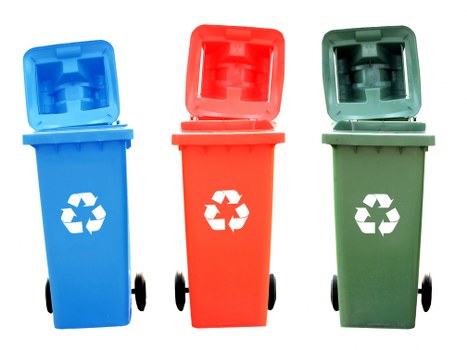
Commercial waste collections can be tailored to suit different working environments, from small offices to larger multi-room premises. Common examples include paper, boxes, loose packaging, broken furniture, archived material that is no longer needed and general waste produced during day-to-day operations. A collection may also need to account for access restrictions, loading points, lift use or time windows that avoid disrupting staff or customers. The better those practical details are understood in advance, the smoother the removal tends to be.
Some businesses need help with only a single category of waste, while others prefer a broader uplift that clears several streams at once. That is where related pages such as office clearance and recycling and sustainability can be helpful, because they point to the different ways material may be separated, prepared and taken away. They also remind customers that not every item belongs in the same load, especially where reusable furniture or recyclable packaging can be handled differently from residual waste.
A simple way to plan the job is to sort items into broad groups before asking for a quotation:
- general non-hazardous waste
- paper, cardboard and packaging
- furniture or fittings
- bulky items that need manual handling
Office spaces, storage rooms and internal clearances
Office clearances tend to involve more than simply moving bins out of the way. Desks, chairs, filing units, monitors, printers, boxes of old records and miscellaneous storage items can all build up together, especially where a workplace has been reconfigured or downsized. A sensible approach is to separate what must go, what can be reused internally and what requires particular handling because of size or contents. That creates a cleaner brief and helps avoid unnecessary lifting or double-handling on site.
When the waste is mainly inside the building, access becomes an important part of the planning. Staircases, narrow corridors, lift availability and loading restrictions can affect how quickly the work is completed and which items should be moved first. If you are looking at broader clear-out options, the related office clearance and flat clearance pages show how different property types call for different handling, even when the basic aim is the same: to remove unneeded material efficiently and leave the area ready for its next use.
Workspaces, stock rooms and back-of-house areas
Not every commercial clearance happens in a front-facing office. Many requests come from back rooms, stock areas, storage cupboards and shared spaces where waste accumulates gradually rather than all at once. In those settings, the job may involve sorting a mixture of cardboard, archive material, broken display items, redundant stock and loose rubbish. The best results usually come from identifying which items are waste, which are still usable and which need separate treatment because of weight, fragility or content.
For premises that also hold domestic-style rooms, furnished accommodation or mixed-use units, the service choice can overlap with residential-style pages such as home clearance and house clearance. Those pages are relevant where the property includes household contents alongside business waste, because the practical questions about packing, access and sorting can become quite similar. It is still important to keep the load description accurate, though, so the collection plan reflects the actual mix of items rather than a guess.
Bulky items, furniture and appliance disposal
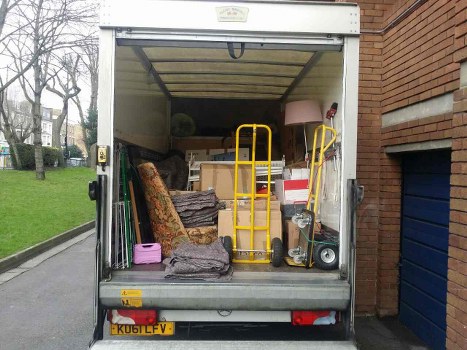
Bulky commercial waste is often the part that requires the most planning. Tables, desks, shelving, cabinets, reception seating and other furniture can take up space long before they are removed, and they may need to be carried through shared corridors or split into manageable sections. The aim is not simply to get rid of items, but to do so in a way that respects building access, avoids damage and keeps the work predictable for the people still using the premises.
Where furniture is no longer suitable for reuse, disposal needs to be arranged carefully so that the load is handled correctly from the outset. The related furniture disposal and furniture clearance pages are useful if your job is dominated by larger fittings rather than mixed rubbish. If the items include appliances, such as an old fridge in a staff kitchen or back office, the fridge and appliance removal page is also relevant because appliances often require a more specific disposal route than ordinary rubbish.
For awkward items, the main pricing factors are usually the number of pieces, how easy they are to carry, whether they need dismantling and how far they have to be moved on site. Clear photographs and a short list of the larger items are often enough to make the estimate more accurate, but a good description can work just as well when photos are not available. It also helps to mention if an item is especially heavy, fixed in place or located upstairs.
Specialist waste streams and careful handling
Some commercial waste does not belong in a standard mixed load. Items such as fridges, certain appliances, confidential paper, and potentially hazardous materials may need a more careful route because of the way they are constructed or the contents they may hold. The right approach is to identify these items early, rather than leaving them mixed in with ordinary waste. That helps avoid unnecessary delays and keeps the quotation based on the correct type of work.
When specialist items are part of the job, it is sensible to review the relevant service page before booking. For example, confidential shredding is relevant where paper records or sensitive documents need secure destruction, while hazardous waste disposal is the obvious reference point for material that cannot be treated as standard commercial rubbish. These pages help separate everyday clearance from items that require additional care, different handling or a more restricted disposal process.
How to prepare a clear request

A concise request is often enough to get the quoting process moving. Start with the type of premises, the main items to be removed and any access details that affect collection. If the waste is spread across several rooms or includes a mixture of loose rubbish and larger items, say so in one short paragraph. You do not need to write a long inventory, but it does help to mention the approximate quantity and whether the items are already gathered together or still in place.
It is also useful to note practical points once, rather than repeating them in separate messages: parking limits, lift access, restricted hours, gates, stairs and any need to avoid customers or staff. This is especially important for commercial waste because collection timings often need to fit around trading. If the work involves several distinct parts, such as office furniture, archived documents and general rubbish, list them in order of priority so the team can plan the removal sequence sensibly.
For a straightforward next step, ask for a quotation once you have the main load described. If you already know the type of waste, the pages for pricing and quotes and book online can help you decide how you want to proceed, with the final choice depending on how much detail you are ready to give and how quickly the collection needs to be arranged.
About Tadworth
Tadworth is a village in Surrey, set on the lower slopes of the North Downs and often associated with the open chalk landscape that runs through this part of the county. The settlement sits near Epsom Downs and Banstead, with local roads and rail links connecting it to nearby towns while still retaining a strong village identity. Its history reflects gradual growth from a rural community into a residential place with schools, local services and commuter connections, while the surrounding land has long been shaped by farming, woodland and chalk downland. The wider area includes well-known green spaces and a patchwork of lanes, estates and older village streets that give Tadworth a varied character. St John the Evangelist church is one of the familiar landmarks in the village, and the surrounding built environment mixes traditional houses, later developments and community facilities. Nearby, the North Downs Way and other public routes highlight the relationship between the village and the wider downland ridge, making walking and outdoor access an important part of the local setting. Tadworth also lies within reach of Epsom Downs Racecourse, which is one of the best-known features of the wider locality and adds a sporting dimension to the area’s identity. Together, the village centre, green edges and transport connections create a place that is both residential and well linked, with a character shaped by landscape as much as by development.
Clearance options for premises, contents and mixed loads
Not every request is a pure waste collection. Some jobs combine business rubbish with furniture, archive material, surplus stock or household-style contents from a mixed property. In those cases, the choice of service matters because the best method depends on how the items are grouped and what sort of space they come from. A simple office tidy may only need a small collection, while a fuller property clearance may need a broader plan that handles different room types in a sensible order.
Where a building contains several kinds of unwanted items, it can help to think in terms of categories rather than individual objects. That is why related pages such as garage clearance, loft clearance and builders waste clearance are relevant in their own ways. They reflect different types of load and different practical constraints, from awkward access to rubble and mixed debris, and they show how the same business can handle more than one kind of removal when the contents call for it.
Choosing the right route for your waste
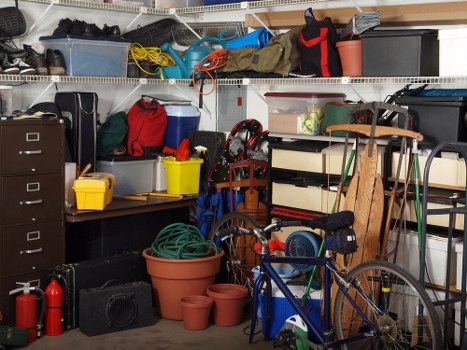
Choosing the right route is usually easier when you separate three questions: what the items are, where they are located and how urgently they need clearing. A collection based on those answers is more accurate than one built around a vague description. If the load is mainly office-based, start with the business waste and office clearance options; if it includes domestic-style contents or larger household pieces, look at the broader clearance pages as well. This keeps the brief grounded in the actual work rather than in assumptions.
When recycling is possible, it is worth checking whether the material can be separated before collection. Cardboard, reusable furniture and certain clean materials may be treated differently from residual waste, depending on the composition of the load. The recycling and sustainability page gives a useful reference point for thinking about what can be diverted from general disposal. That said, the immediate priority is still a practical one: choose the service that matches the load and the access conditions.
If you are ready to move forward, send the details that matter most and request a quotation in straightforward terms. A clear description of the items, the amount of waste and the collection location is the best starting point for a sensible response. For a final step, please use the contact us page when you want to discuss the job and arrange the next stage.