Tadworth garden waste removal spring 2026 seasonal tips
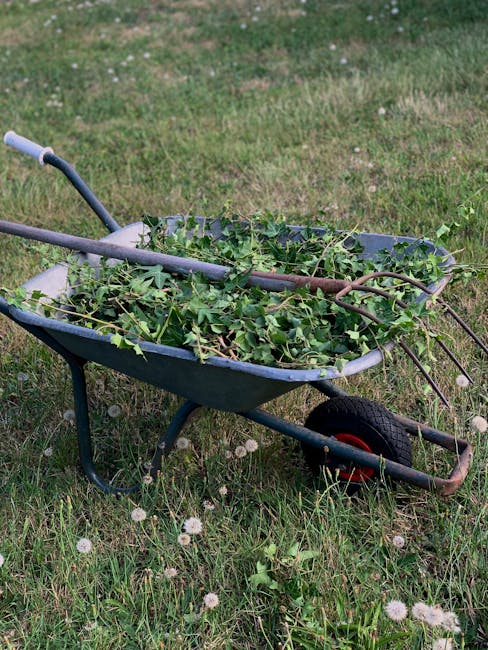
Spring in Tadworth has a habit of arriving all at once. One week the borders look tidy enough, the next you are staring at damp leaves, cut-back stems, mossy clumps, and a compost heap that has quietly become a small hill. If you are planning Tadworth garden waste removal spring 2026 seasonal tips into your spring clean-up, the aim is simple: clear waste efficiently, protect your garden, and avoid the usual hassle of repeated trips to the tip, overloaded bags, and that one awkward pile by the fence that never quite goes away.
This guide walks through what garden waste removal really involves in spring, how to organise it properly, and the practical decisions that make the process smoother. You will also find seasonal advice that fits real gardens, not glossy magazine ones. Because let's face it, most outdoor spaces in early spring look a bit tired before they look lovely again.
Whether you are dealing with a modest lawn tidy-up, a full border refresh, or a bigger clear-out after winter, the right approach saves time, reduces mess, and makes the job feel much less like a weekend punishment.
Why Tadworth garden waste removal spring 2026 seasonal tips Matters
Spring is the point where garden waste stops being a winter leftovers problem and becomes a growing-season issue. In Tadworth, that usually means pruning scraps, lawn cuttings, broken twigs, old mulch, dead leaves, and all the odds and ends that build up after colder months. If you leave it sitting around, it can slow down new growth, attract pests, and make the garden look neglected just when you want it to feel fresh again.
There is also a timing angle. Early spring is often the best moment to reset the outdoor space before planting starts in earnest. If you clear waste before the soil warms properly, you give yourself a cleaner canvas for beds, borders, sheds, paths, and lawn work. That sounds obvious, but people skip it all the time and then wonder why the whole garden feels messy for another month.
Seasonal planning matters too. Spring weather in Surrey can be beautifully changeable. One mild day and then two wet ones. If you are not prepared, piles of green waste become soggy, heavy, and awkward to move. Good seasonal tips help you work with the weather rather than against it, which is generally a nicer way to spend a Saturday.
Expert summary: Spring garden waste removal is not only about clearing space. It is about creating cleaner conditions for planting, reducing damp mess, and setting the garden up for a healthier season ahead.
How Tadworth garden waste removal spring 2026 seasonal tips Works
Garden waste removal is usually a straightforward process, but the practical details matter. First, you separate what counts as garden waste from general household rubbish. Then you decide whether you are bagging it, bundling it, loading it into a van, or arranging a collection with a professional waste removal team. For many households, the easiest approach is a combined tidy-up and removal service where the clearance happens in one visit.
A typical spring clear-out may include branches, hedge trimmings, weeds, dead plants, turf scraps, soil from minor digging, and old plant pots if they are not being reused. Some items need special handling. Soil, rubble, treated wood, old fencing, and mixed waste are not always treated the same way as standard green waste. That is why it pays to sort first and not just chuck everything into one heap and hope for the best. Hope is not a sorting system.
In practical terms, the process often looks like this:
- Walk the garden and identify all waste piles.
- Separate green waste from mixed debris.
- Check for anything that needs special handling, such as sharp metal, old chemicals, or contaminated material.
- Bundle or bag the waste so it can be lifted quickly.
- Arrange removal in a way that fits the amount and type of material.
- Do a final sweep so the ground is ready for replanting, mulching, or lawn care.
If you are also planning a broader property clear-out, it can make sense to coordinate the garden job with other clearance needs. For example, some people pair garden work with a house clearance or home clearance if spring cleaning has spread indoors as well. It keeps the whole job moving instead of doing everything in dribs and drabs.
Key Benefits and Practical Advantages
Good garden waste removal is not just about making the place look tidy, though that is obviously part of it. It also supports healthier growth, safer movement around the garden, and better use of your time. In a real-world sense, that means fewer slippery paths, less clutter around beds, and fewer bins overflowing because the cuttings never got sorted properly.
- Cleaner planting areas: Once dead growth is removed, it is much easier to see what the garden actually needs.
- Less mess after wet weather: Wet leaves and cut stems become slippery and unpleasant quickly.
- Faster seasonal maintenance: When waste is removed promptly, follow-up jobs go smoother.
- Improved kerb appeal: A tidy front or back garden makes a home feel looked after, even before the flowers return.
- Reduced stress: You are not staring at a growing pile every time you open the back door.
There is also a small but real psychological benefit. A cleared garden tends to feel more manageable. People often say they will "get around to the rest" once the pile is gone, and truth be told, they are usually right. One visible win leads to another.
For businesses or landlords with outdoor areas, the advantage can be even more practical. A neat exterior can help present a better impression to tenants, customers, or visitors. If you need broader waste support beyond the garden, business waste removal may be worth considering alongside the garden work.
Who This Is For and When It Makes Sense
This kind of seasonal clearance is useful for a wide range of people in Tadworth. Homeowners with mature shrubs, families with play-heavy gardens, and landlords preparing a property for a new tenancy all have different reasons, but the same basic need: get rid of waste quickly and responsibly.
It makes particular sense if any of the following sound familiar:
- You have just finished winter pruning and the piles are getting in the way.
- Your compost bin is already full and not taking any more.
- Stormy weather has scattered branches and leaves everywhere.
- You are opening up a garden for spring planting or turf repair.
- You want a one-off clearance before a larger landscaping job.
- You do not have the time, vehicle space, or back muscles for repeated tip runs.
Some people try to manage spring waste in bits and pieces. That can work, but it often stretches the mess over several weekends. If you are juggling work, school runs, or a packed household, a focused clearance is usually the saner route. No shame in that. Gardens should support life, not consume it.
This is also the stage where you decide whether the waste is simple green material or a mix of green waste and heavier items. If the garden project includes broken furniture, old shelving, or shed clutter, then something like garage clearance or furniture clearance may be relevant too. Seasonal tidying has a funny way of spreading once you get started.
Step-by-Step Guidance
The easiest way to handle spring garden waste is to follow a simple sequence. It saves effort and stops the pile from becoming a chaotic mixture of random branches, half-broken pots, and one mysteriously ancient plant label.
1. Start with a visual sweep
Walk the garden before lifting anything. Look for obvious waste zones: under hedges, beside fences, around flower beds, and behind sheds. You will often find more than you expected, especially where leaves and clippings have hidden themselves under dry corners.
2. Separate the waste by type
Keep green waste apart from mixed waste. Green waste usually includes leaves, cuttings, twigs, and prunings. Mixed waste may include old pots, wire, broken edging, and packaging from garden projects. Sorting early makes removal simpler and can improve recycling options.
3. Watch the weight of wet material
Spring showers can make waste significantly heavier. A bag of damp hedge clippings is a very different animal from a dry one. If it feels too heavy to lift comfortably, split it into smaller bags. Your back will thank you later.
4. Cut larger branches down to size
Anything awkwardly long should be cut into manageable pieces. This makes stacking, loading, and transporting much easier. It also reduces the chance of branches poking through bags or scratching up paths and walls.
5. Clear access routes first
Before moving waste out, clear the path to gates, side access, or collection points. If you are using a professional team, a clear route helps the job go faster and reduces the chance of damage to plants, paving, or door frames.
6. Load in the right order
Put denser or heavier waste at the bottom and lighter items on top if you are stacking. If you are bagging, keep the mix consistent so each bag behaves predictably. Small detail, big difference.
7. Do a final sweep and rinse down hard surfaces
Once the waste is gone, give paths, patio edges, and seating areas a quick sweep. A light rinse can help remove sap, mud, or leaf stains before they settle in. In the early morning it can still be a bit chilly, but that clean finish feels excellent.
Expert Tips for Better Results
The best spring clear-outs usually come down to planning, timing, and not being too ambitious in one go. A few small habits make a surprisingly large difference.
- Tackle dry waste before wet waste: Dry leaves and twigs are lighter and easier to move. Get them off the ground first if you can.
- Trim before you drag: Smaller pieces are easier to stack neatly than one unruly, bristly branch that seems determined to fight you.
- Keep a dedicated waste zone: A single corner for all cleared material stops the whole garden from looking half-finished.
- Work from the edges inward: This gives you clearer access and a stronger sense of progress.
- Plan for reuse where appropriate: Some cuttings can be composted or used as mulch, provided they are healthy and suitable.
- Schedule around planting: Clear waste before you buy new plants, not after. Otherwise you just make new obstacles for yourself.
If you are trying to decide between doing the work yourself and booking collection support, ask a simple question: what costs you more, time or effort? For some households, a weekend with gloves and secateurs is fine. For others, especially after heavier growth or a stormy spell, professional removal is the more sensible option.
One more thing: if your spring tidy-up spills into a larger declutter, it can be useful to look at broader clearance options such as waste removal or even specialised services like builders waste clearance if you are also doing minor landscaping work. Sometimes the garden is only the beginning.
Common Mistakes to Avoid
Spring garden waste jobs often go wrong in small, predictable ways. Nothing dramatic. Just enough friction to make the whole thing annoying.
- Leaving waste piles for too long: Damp material compacts, smells, and becomes harder to handle.
- Mixing everything together: This makes sorting, transport, and disposal more complicated.
- Underestimating volume: What looks like one bag can turn into six once trimmed and shaken out.
- Ignoring sharp or awkward items: Wire, broken canes, and jagged wood can cause injuries if handled carelessly.
- Trying to lift too much at once: A classic mistake. Your shoulders know before your brain does.
- Forgetting access constraints: Narrow side passages, low gates, and muddy steps all slow things down.
- Not thinking about recycling or reuse: Some waste can be managed more efficiently if it is separated early.
Another quiet mistake is assuming all garden waste is harmless because it is natural. Not necessarily. Plant matter can still harbour pests, weeds, or disease if it is left unmanaged. That is why prompt removal is not just about tidiness; it can help keep the garden healthier overall.
Tools, Resources and Recommendations
You do not need an elaborate toolkit to manage spring garden waste well. A few dependable items go a long way, and they are usually the boring things that save the day.
| Tool or resource | What it helps with | Why it matters in spring |
|---|---|---|
| Heavy-duty gloves | Protecting hands from thorns, splinters, and damp debris | Spring pruning often leaves hidden prickles and rough stems |
| Secateurs or loppers | Cutting branches and thinning awkward growth | Smaller pieces are easier to remove and transport |
| Reusable garden sacks | Collecting leaves, cuttings, and light waste | Useful for sorting waste before collection |
| Tarp or groundsheet | Keeping waste together in one place | Helps on damp ground and avoids scattering |
| Wheelbarrow | Moving heavier loads | Spares your back on longer clear-outs |
| Separate container for mixed waste | Collecting items that cannot go with green waste | Useful where a tidy-up uncovers broken or non-organic bits |
If you are comparing service options, it helps to check whether the provider is set up for mixed garden loads, whether they can handle bulky items, and how they approach sorting and disposal. For some households, professional support is mainly about convenience. For others, it is about lifting, loading, and leaving the garden neat in one visit. If you want to understand how pricing is typically framed, the pricing and quotes page is a sensible starting point.
For gardens with more recyclable material, it can also be useful to think about sustainability from the outset. The approach described on recycling and sustainability gives a better picture of how waste can be handled responsibly. And if you are trying to work out what material types are acceptable in a mixed load, the guidance on what can go in a skip can help you avoid annoying surprises.
Law, Compliance, Standards, or Best Practice
Garden waste removal in the UK is not usually complicated for a homeowner, but it still pays to follow sensible best practice. Waste should be handled responsibly, kept separate where needed, and passed to appropriate disposal or recycling routes. If a clearance includes anything beyond ordinary garden cuttings, it is worth checking how it should be managed before mixing it into the pile.
For example, soil, rubble, treated timber, old fencing, electrical items, and hazardous materials should not be treated the same as simple green waste. If you are unsure, pause and sort it out first. That is not overcautious; it is just good practice. A little caution now prevents bigger headaches later.
Safety matters too. Gloves, stable footwear, and sensible lifting technique are not glamorous, but they are the difference between a productive afternoon and an uncomfortable week. If your waste pile includes sharp or contaminated material, the safer option is to use a service that is set up to handle it properly. For more formal information about operational expectations, a provider's health and safety policy and insurance and safety details are worth checking.
It is also sensible to think about data and privacy if you are booking online or leaving personal details during a quote process. That is simply part of using any service responsibly these days. A quick read of the privacy policy and terms and conditions never hurts.
Options, Methods, or Comparison Table
Different gardens call for different removal methods. A small patio border in Tadworth needs a very different approach from a long rear garden after hedge work. Comparing the main options side by side helps you decide quickly without overthinking it.
| Method | Best for | Pros | Trade-offs |
|---|---|---|---|
| DIY bagging and tip runs | Light to moderate waste, plenty of time | Flexible, straightforward, good for small amounts | Takes time, needs transport, can become multiple trips |
| Composting on site | Leaves, soft cuttings, healthy plant matter | Low-cost, eco-friendly, useful for future soil improvement | Not suitable for all waste types; slower than removal |
| Professional garden waste removal | Bulkier jobs, awkward access, mixed loads | Fast, labour-saving, often one visit | Cost depends on volume and waste type |
| Combined clearance service | Garden waste plus household or bulky clutter | Efficient for seasonal whole-property tidies | Needs good sorting and clear scope from the start |
For many people, the most practical choice is a hybrid one: compost the easy material, remove the awkward material, and keep the middle ground tidy. Simple enough, but not always simple in the moment.
Case Study or Real-World Example
A typical Tadworth spring clear-up might look like this. A homeowner has spent a few weekends cutting back a mature hedge, lifting leaf litter from behind the shed, and pulling dead annuals from the borders. The garden looks better already, but the cuttings are piling up faster than expected. By the gate there are three bags of mixed waste, a stack of branches, and a muddy patch where the wheelbarrow has been back and forth a bit too often.
Rather than trying to finish it all in small pieces over another month, they sort the waste into two groups: reusable compost material and everything else. The clean green waste goes into sacks for future composting. The thicker branches, old canes, and a few damaged items from the shed area are collected together for removal. Access is cleared, the path is swept, and the work is finished in one go instead of dragging on.
The difference is noticeable immediately. The garden feels open again. The borders are visible. The lawn can breathe. And, perhaps most importantly, the next stage of spring work becomes easier because the clutter is gone. That is often the real benefit people do not expect at first: removal does not just tidy the present, it makes the rest of the season run better.
Practical Checklist
Use this checklist before you start a spring garden waste clear-out. It is deliberately simple, because overly clever checklists tend to end up ignored.
- Inspect the whole garden before lifting anything.
- Separate green waste from mixed waste.
- Set aside anything sharp, heavy, or unusual.
- Cut large branches down to manageable lengths.
- Keep one clear collection area for all waste.
- Check whether you need composting, removal, or both.
- Make sure pathways and access points are clear.
- Use gloves and safe lifting practices.
- Plan for wet weather and heavier-than-expected loads.
- Book help early if the pile is bigger than you want to handle alone.
- Finish with a sweep so the space is ready for planting or lawn care.
Quick takeaway: The best spring garden waste plan is the one you can actually finish comfortably, without turning the garden into a series of half-complete piles.
Get a free quote today and see how much you can save.
Conclusion
Tadworth garden waste removal spring 2026 seasonal tips are really about making the season easier on yourself. Clear waste early, separate it properly, and choose the removal method that fits the size and mess of the job. That way the garden resets faster, the work feels more manageable, and you can move on to the nicer parts of spring - planting, pruning, and actually enjoying the space.
If you approach it calmly and in the right order, the whole process becomes far less daunting. A good spring clear-out is one of those jobs that pays you back every time you look out the window. And that is worth doing properly.
When the light is soft and the borders are finally clear, you notice it straight away. The garden breathes a little easier.
Frequently Asked Questions
What counts as garden waste in a spring clear-out?
Garden waste usually includes grass cuttings, hedge trimmings, leaves, weeds, branches, dead plants, and other organic material from the garden. Some mixed items, like broken canes or old plant pots, may need to be sorted separately.
Is spring the best time for garden waste removal in Tadworth?
Spring is one of the best times because you are clearing winter debris before the growing season starts. It gives you a cleaner base for planting, lawn work, and border maintenance.
Can I compost all of my garden waste?
No, not always. Soft plant matter and leaves are often suitable, but diseased plants, woody branches, treated timber, and mixed debris may not be appropriate for home composting.
How do I know whether I need a professional removal service?
If the waste is heavy, bulky, mixed, or more than you want to shift yourself, professional help usually makes sense. It is also useful if access is awkward or you need the job done quickly.
What should I do with wet garden waste?
Try to let it drain a little if possible, then split it into smaller loads. Wet waste is heavier, messier, and more likely to tear bags if you overload them.
Can garden waste removal include old fencing or broken pots?
Sometimes, yes, but these items are usually treated as mixed waste rather than pure green waste. It is best to separate them early so they can be handled correctly.
How can I reduce the amount of waste before removal?
Cut branches down, shake soil from roots where appropriate, compost suitable green waste, and reuse any healthy material as mulch if you know it is safe to do so. A quick sort at the start often reduces the load quite a bit.
Does a tidy spring garden really make a difference to plant health?
Yes, it often does. Removing dead material improves airflow, reduces hiding places for pests, and gives new growth more room and light. It is not magic, but it helps.
What is the safest way to move heavy garden waste?
Use smaller bags, a wheelbarrow, and sensible lifting technique. Keep the load close to your body and do not twist while carrying awkward items. Small loads are less glamorous, but much safer.
Should I book garden waste removal before or after pruning?
Usually after a major prune, once you can see the full amount. That said, it can help to book early if you know the job will be large, so you are not left with a growing pile for days.
Can I combine garden waste removal with other clearance jobs?
Yes, and it often makes sense. If you are also clearing a shed, garage, loft, or bulky household items, combining tasks can save time and reduce repeated disruption.
How do I keep my spring garden tidy after the waste is removed?
Set a simple routine: a short weekly sweep, prompt bagging of cuttings, and a designated spot for temporary waste. Keeping on top of small jobs stops the garden from drifting back into chaos. Not instantly, of course, but enough.